
Crafts Made Bright: Exploring Architectural LED Lighting Solutions
Crafts Made Bright: Exploring Architectural LED Lighting Solutions Table of Contents 1. Introduction to Architectural LED Lighting 2. Benefits of Using LED Lighting in Architecture 3. Innovative Designs in LED Lighting 4. Versatile Applications of LED Lighting Solutions 5. Energy Efficiency and Sustainability 6. Customization Options for Unique Lighting Solutions 7. Future Trends in
Time:
2026-05-29
Crafts Made Bright: Exploring Architectural LED Lighting Solutions
Table of Contents
- 1. Introduction to Architectural LED Lighting
- 2. Benefits of Using LED Lighting in Architecture
- 3. Innovative Designs in LED Lighting
- 4. Versatile Applications of LED Lighting Solutions
- 5. Energy Efficiency and Sustainability
- 6. Customization Options for Unique Lighting Solutions
- 7. Future Trends in LED Lighting Technology
- 8. Frequently Asked Questions
- 9. Conclusion: Illuminating Your Space with LED Solutions
1. Introduction to Architectural LED Lighting
Architectural LED lighting has transformed the way we think about illumination in both residential and commercial spaces. Unlike traditional lighting solutions, LED technology offers remarkable flexibility, allowing designers and homeowners to create stunning visual effects while maintaining energy efficiency. The interplay of light and shadow can highlight architectural features, enhance ambience, and influence the overall mood of a space. This article delves into the multitude of benefits and applications of LED lighting, showcasing why it is the future of architectural design.
2. Benefits of Using LED Lighting in Architecture
The incorporation of LED lighting in architectural design brings forth numerous advantages that go beyond mere aesthetics.
2.1 Energy Efficiency
LEDs consume significantly less power compared to traditional incandescent and fluorescent bulbs. This energy efficiency translates into lower electricity bills and a reduced carbon footprint, making it an eco-friendly option.
2.2 Longevity
LED lights have an impressive lifespan, often lasting up to 25,000 hours or more. This durability means less frequent replacements, reducing maintenance costs and waste.
2.3 Versatility
LEDs are incredibly versatile, available in various colors and intensities. This adaptability allows architects to tailor lighting solutions to meet specific design needs, from subtle ambient lighting to vibrant accent effects.
2.4 Enhanced Aesthetics
With the ability to produce a wide range of colors and lighting effects, LED lighting enhances the visual appeal of any space. When strategically placed, they can accentuate architectural details and create a dynamic atmosphere.
3. Innovative Designs in LED Lighting
The world of architectural LED lighting is continuously evolving. Designers are pushing boundaries to create unique and innovative lighting solutions that blend art and technology.
3.1 Linear Lighting
Linear LED lighting strips can be integrated into ceilings, walls, or even furniture, providing a sleek and modern look. These strips are ideal for highlighting architectural lines and creating a seamless flow throughout a space.
3.2 Smart Lighting Solutions
Smart LED lighting allows users to control their lighting environment remotely through smartphone applications or voice commands. This technology enables customization of brightness, color, and scheduling, enhancing convenience and energy savings.
3.3 Decorative Fixtures
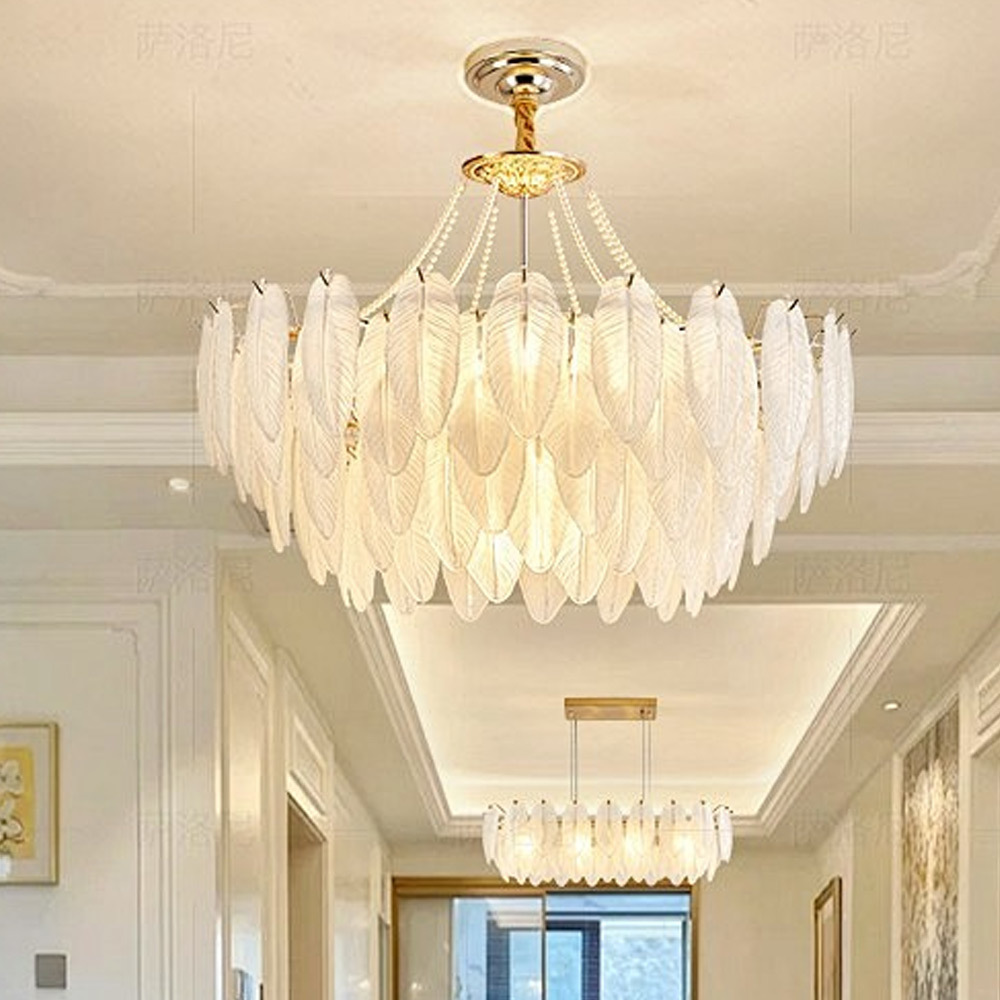
Beyond functional lighting, decorative LED fixtures serve as focal points in a room. From elegant chandeliers to artistic wall sconces, these fixtures combine style with modern technology to elevate the overall design.
4. Versatile Applications of LED Lighting Solutions
Architectural LED lighting finds applications in various environments, each benefiting from tailored solutions.
4.1 Residential Spaces
In homes, LED lighting enhances living areas, kitchens, and outdoor spaces. Dimmable options allow for mood setting, while accent lighting showcases artwork or architectural features.
4.2 Commercial Buildings
Businesses utilize LED lighting for both functional and branding purposes. Retail stores, restaurants, and offices use lighting to attract customers, create ambiance, and improve employee productivity.
4.3 Public Spaces
Parks, streets, and public buildings benefit from LED solutions that improve safety and accessibility. Well-lit public areas not only enhance security but also encourage community engagement.
5. Energy Efficiency and Sustainability
The sustainability aspect of LED lighting cannot be overstated. With increasing environmental awareness, many architects and designers prioritize energy-efficient solutions.
5.1 Reducing Environmental Impact
By choosing LED lighting, projects can minimize their carbon footprint significantly. Lower energy consumption results in reduced greenhouse gas emissions, contributing to a healthier planet.
5.2 Compliance with Regulations
Many regions have implemented stringent energy regulations. Utilizing LED technology ensures compliance while promoting sustainability in architectural design.
6. Customization Options for Unique Lighting Solutions
Architectural LED lighting is not a one-size-fits-all solution. Customization is key to achieving the desired effect in any space.
6.1 Tailored Color Temperature
The ability to choose color temperature—ranging from warm to cool light—allows designers to create the perfect atmosphere. Warmer tones are ideal for cozy spaces, while cooler tones enhance productivity in work environments.
6.2 Adjustable Brightness
Dimming capabilities offer flexibility in how a space is lit. Adjustable brightness levels can be utilized for various activities, from focused work to relaxed gatherings.
7. Future Trends in LED Lighting Technology
As technology evolves, so does the potential for architectural LED lighting. Several trends are shaping the future of this industry.
7.1 Integration with IoT
The Internet of Things (IoT) is revolutionizing how we interact with lighting. With smart sensors and automation, LED lighting can adapt to environmental changes, enhancing energy efficiency and user convenience.
7.2 Human-Centric Lighting
Human-centric lighting considers the biological and emotional impacts of light on individuals. This trend focuses on adjusting lighting to mimic natural daylight, promoting well-being and productivity.
7.3 Biophilic Design
Incorporating natural elements into architectural projects is gaining traction. LED lighting can complement biophilic design principles by simulating natural light patterns and enhancing the connection to nature.
8. Frequently Asked Questions
8.1 What are the advantages of using LED lighting in architectural design?
LED lighting offers energy efficiency, longevity, versatility, and enhanced aesthetics, making it a superior choice for both residential and commercial spaces.
8.2 How can I incorporate LED lighting into my home?
Consider using LED strips or fixtures in key areas like kitchens, living rooms, and outdoor spaces. Dimmable options can help set the right mood for different occasions.
8.3 Are LED lights expensive to install?
While the initial cost may be higher than traditional lighting, the long-term savings in energy and maintenance make LED lighting a cost-effective investment.
8.4 Can LED lighting be used outdoors?
Yes, many LED lighting solutions are designed specifically for outdoor use, ensuring durability and resistance to weather conditions.
8.5 How do I choose the right color temperature for my space?
Consider the purpose of the space; warmer tones (2700K-3000K) create a cozy atmosphere, while cooler tones (3500K-5000K) are ideal for work environments.
9. Conclusion: Illuminating Your Space with LED Solutions
Architectural LED lighting solutions have revolutionized the way we approach illumination in our environments. With numerous benefits such as energy efficiency, longevity, and versatility, it's clear that LEDs are the future of lighting design. As technology continues to evolve, the creative possibilities for integrating LED lighting into architectural projects will only expand. Whether in residential spaces, commercial buildings, or public areas, LED lighting proves to be an essential tool for enhancing aesthetics and functionality. By investing in these innovative solutions, we can illuminate our spaces while promoting sustainability and well-being. Embrace the brilliance of architectural LED lighting and transform your environment into a masterpiece of design and efficiency.
Latest news

29 May,2026
Crafts Made Bright: Exploring Architectural LED Lighting Solutions
Crafts Made Bright: Exploring Architectural LED Lighting Solutions Table of Contents 1. Introduction to Architectural LED Lighting 2. Benefits of Using LED Lighting in Architecture 3. Innovative Designs in LED Lighting 4. Versatile Applications of LED Lighting Solutions 5. Energy Efficiency and Sustainability 6. Customization Options for Unique Lighting Solutions 7. Future Trends in

26 May,2026
Illuminate Your Space with the Elegance of Crystal Glass Chandeliers
--- Crystal glass chandeliers are a stunning addition to any interior décor, combining elegance, sophistication, and functionality in one exquisite lighting fixture. These intricate pieces serve as both a source of light and a statement of style, making them a sought-after choice for various settings, from luxurious homes to upscale commercial spaces. One of the most appealing aspects of crystal g
23 May,2026
Modern Chandeliers: A Luxurious Guide to Lobby Lighting Elegance
Modern Chandeliers: A Luxurious Guide to Lobby Lighting Elegance Table of Contents Understanding the Importance of Lobby Lighting What Are Modern Chandeliers? Choosing the Right Style of Chandelier for Your Lobby Design Considerations for Lobby Chandeliers Size and Proportion: Getting it Right Exploring Advanced Lighting Technologies Tips for Installing Modern Chandeli


eme01@emelighting.com (We are glad to introduce more and cooperate with you)
design-aura@vip.163.com (New projects, and partnership with EME lighting)

FTY ADD:EME Industrial Park,Yongxing Industrial Dist.,Henglan Town, Zhongshan City,GD,China
Copyright © EME Lighting Co., Ltd. | All Rights Reserved | Powered by 300.cn | SEO | Privacy Policy