
The Future of Lighting: Energy Efficient Architectural LEDs Explained
The Future of Lighting: Energy Efficient Architectural LEDs Explained Table of Contents Introduction to Energy Efficient Architectural LEDs Understanding LED Technology Benefits of Energy Efficient LED Lighting Applications of LEDs in Architectural Design Sustainability and Environmental Impact Future Trends in LED Technology Choosing the Right LEDs for Your Project Frequently Ask
Time:
2026-09-27
The Future of Lighting: Energy Efficient Architectural LEDs Explained
Table of Contents
- Introduction to Energy Efficient Architectural LEDs
- Understanding LED Technology
- Benefits of Energy Efficient LED Lighting
- Applications of LEDs in Architectural Design
- Sustainability and Environmental Impact
- Future Trends in LED Technology
- Choosing the Right LEDs for Your Project
- Frequently Asked Questions
- Conclusion: Embracing the Future of Lighting
Introduction to Energy Efficient Architectural LEDs
The lighting industry is undergoing a significant transformation, driven by the advent of **energy-efficient architectural LEDs**. These lights not only provide superior illumination but also contribute to sustainable building practices. As architects and designers increasingly prioritize energy efficiency, understanding the capabilities of LED technology becomes paramount. This article will explore the ins and outs of architectural LEDs, highlighting their benefits, applications, and future trends.
Understanding LED Technology
LED, or Light Emitting Diode, is a semiconductor device that emits light when an electric current passes through it. Unlike traditional incandescent bulbs that generate light by heating a filament, LEDs produce light through a process called electroluminescence. This method results in **greater energy efficiency**, longer lifespans, and less heat generation.
How LEDs Work
LEDs consist of a chip that emits light when electrons move through a semiconductor material. This process is highly efficient, allowing LEDs to convert a significant portion of electrical energy into light. In contrast, incandescent bulbs waste much of their energy in heat, making LEDs a superior choice for modern lighting needs.
Types of Architectural LEDs
Architectural LEDs come in various forms, including:
- **Recessed Lighting**: Ideal for creating a sleek ceiling profile.
- **Track Lighting**: Flexible lighting solutions that allow for directional illumination.
- **Wall Sconces**: Decorative fixtures that enhance architectural features.
- **Accent Lighting**: Focused beams that highlight artwork or structural elements.
Each type serves unique purposes, catering to diverse architectural styles and requirements.
Benefits of Energy Efficient LED Lighting
The adoption of **energy-efficient LED lighting** offers numerous advantages that extend beyond simple illumination.
1. Energy Savings
One of the most significant benefits of LEDs is their energy efficiency. They consume up to **80% less energy** than traditional incandescent bulbs, leading to substantial cost savings over time. This reduction in energy consumption translates into lower utility bills and a smaller carbon footprint.
2. Longevity
LEDs have an impressive lifespan, lasting up to **25,000 hours** or more compared to the 1,000 hours typical of incandescent bulbs. This longevity means less frequent replacements, reducing waste and maintenance costs.
3. Low Heat Emission
LEDs generate minimal heat, making them safer to use and less likely to contribute to indoor heat buildup. This characteristic is particularly beneficial in architectural applications where temperature control is crucial.
4. Versatility and Design Flexibility
LED technology allows for a wide range of colors and intensities, enabling designers to create dynamic lighting schemes tailored to specific environments. This versatility is invaluable in architectural design, where lighting can enhance aesthetics and functionality.
Applications of LEDs in Architectural Design
The application of **energy-efficient LEDs** in architecture encompasses various design elements, from residential to commercial spaces.
1. Ambient Lighting
Incorporating LEDs into ambient lighting enhances the overall atmosphere of a space. Soft, warm-white LEDs can create a welcoming environment in homes, while cool white LEDs may be more suitable for professional settings.
2. Task Lighting
LEDs excel in task lighting applications, providing focused illumination for workspaces such as kitchens and offices. Adjustable fixtures can help avoid glare and ensure optimal visibility for specific tasks.
3. Accent Lighting
Architects often use LEDs to highlight architectural features, sculptures, or artwork. Accent lighting adds depth and visual interest, drawing attention to specific elements within a space.
4. Outdoor Lighting
Energy-efficient architectural LEDs are increasingly used in outdoor spaces, providing safety and security while enhancing exterior aesthetics. Pathway lights, landscape lighting, and building facades all benefit from LED technology.
Sustainability and Environmental Impact
The environmental benefits of energy-efficient architectural LEDs extend far beyond individual energy savings. As the world grapples with climate change, adopting sustainable lighting solutions becomes more critical.
1. Reduction in Carbon Footprint
By consuming less energy, LEDs reduce the demand on power plants, which can lead to lower greenhouse gas emissions. This shift contributes to a more sustainable environment and aligns with global efforts to combat climate change.
2. Decreased Waste Generation
The long lifespan of LEDs results in fewer replacements, significantly reducing waste generated from discarded bulbs. This is essential for sustainable practices in architecture and design.
3. Healthy Indoor Environments
LEDs emit no toxic substances and produce minimal heat, contributing to healthier indoor air quality. This feature is particularly important in commercial buildings where occupant comfort and well-being are paramount.
Future Trends in LED Technology
The landscape of LED technology is continually evolving, with several trends shaping the future of energy-efficient architectural lighting.
1. Smart Lighting Integration
The integration of smart technology with LEDs allows for enhanced control over lighting systems. Features such as remote control, scheduling, and automation can optimize energy use and improve user experience.
2. Human-Centric Lighting
Human-centric lighting focuses on creating environments that promote well-being and productivity. LEDs can mimic natural lighting patterns, adjusting color temperature and intensity throughout the day to align with human circadian rhythms.
3. Advanced Color Tuning
Future LED technologies will likely incorporate advanced color tuning capabilities, allowing for precise adjustments to light color and intensity. This technology can enhance the aesthetic appeal of spaces and improve functionality.
4. Sustainable Material Use
As environmental awareness grows, manufacturers are exploring sustainable materials for LED production. This shift will further enhance the eco-friendliness of LED technology and its role in sustainable architecture.
Choosing the Right LEDs for Your Project
Selecting the appropriate LEDs for a project involves several key considerations.
1. Assessing Lighting Needs
Evaluate the specific lighting requirements of the space, including ambient, task, and accent lighting needs. Understanding the function of each area can guide the selection of suitable LED types and fixtures.
2. Color Temperature and CRI
Consider the desired color temperature and Color Rendering Index (CRI) of LEDs. The color temperature affects the mood of a space, while a high CRI ensures accurate color representation.
3. Energy Efficiency Ratings
Look for energy-efficient LEDs with high ratings, such as Energy Star certification. These products meet strict efficiency standards and contribute to sustainable practices.
4. Design Compatibility
Ensure that the chosen LED fixtures align with the overall design aesthetic of the space. The right fixtures can enhance architectural features and create a cohesive look.
Frequently Asked Questions
1. What are the main advantages of using LED lighting in architecture?
LED lighting offers energy efficiency, longevity, low heat emission, and design versatility, making it an ideal choice for architectural applications.
2. How do LEDs impact energy consumption compared to traditional lighting?
LEDs consume up to 80% less energy than traditional incandescent bulbs, resulting in significant cost savings and a reduced carbon footprint.
3. Can LED lighting improve indoor air quality?
Yes, LEDs emit no toxic substances and generate minimal heat, contributing to healthier indoor air quality.
4. What is human-centric lighting, and how do LEDs support it?
Human-centric lighting aims to create environments that support well-being by mimicking natural light patterns. LEDs can adjust color and intensity to align with human circadian rhythms.
5. How do I select the right LEDs for my project?
Consider lighting needs, color temperature, CRI, energy efficiency ratings, and design compatibility when selecting LEDs for your project.
Conclusion: Embracing the Future of Lighting
The future of lighting lies in the innovative realm of **energy-efficient architectural LEDs**. As we embrace these sustainable solutions, the potential for transforming spaces and enhancing our living environments becomes limitless. By understanding the technology, benefits, and applications of LEDs, architects and designers can lead the way in creating brighter, more sustainable futures. Investing in energy-efficient lighting is not just a trend; it's a necessary step toward a more sustainable and beautiful world.
Latest news
09 Nov,2026
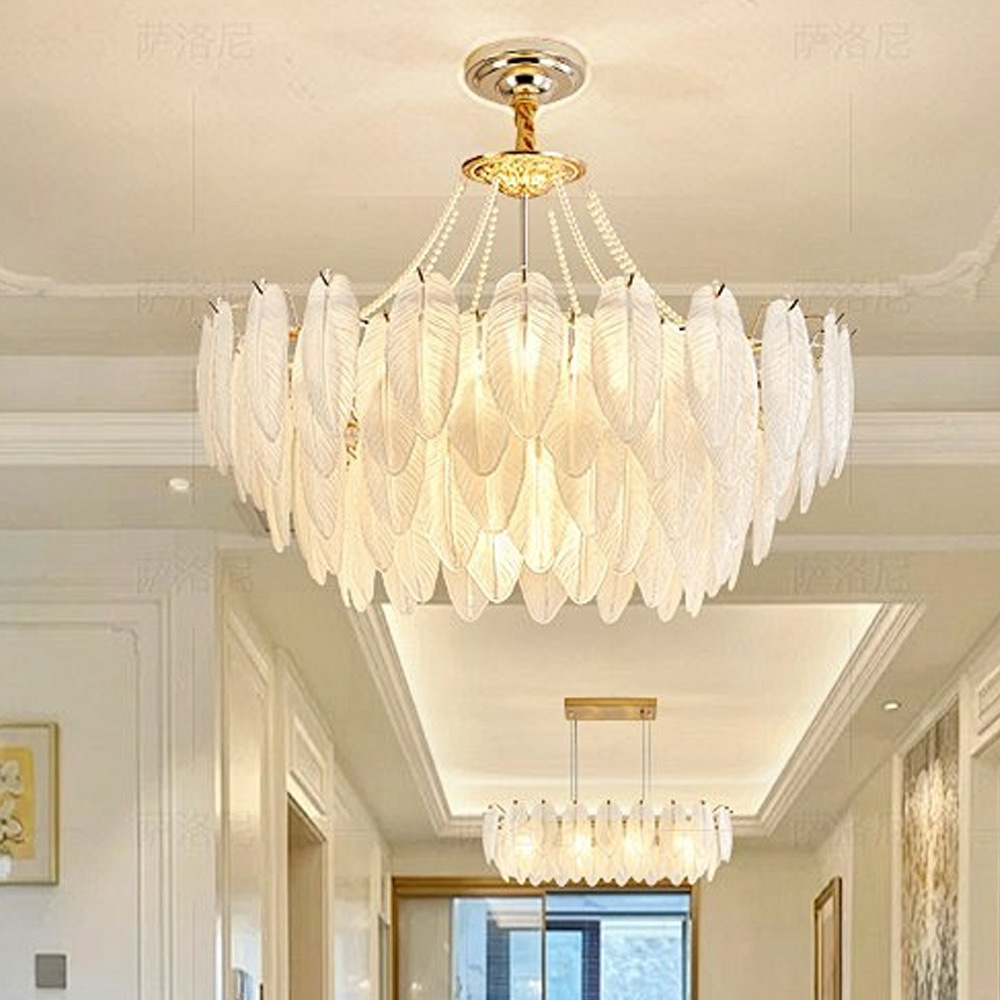
Top Trends in Modern Chandeliers for Lobbies in 2023: Elevate Your Space with Style
Top Trends in Modern Chandeliers for Lobbies in 2023 Table of Contents 1. Introduction to Lobby Lighting 2. The Importance of Chandeliers in Lobby Design 3. Trend 1: Sustainable Materials 4. Trend 2: Sculptural Designs 5. Trend 3: Smart Lighting Technology 6. Trend 4: Mixed Material Combinations 7. Trend 5: Vintage and Retro Influences 8. Conclusion 9. Frequent

18 Oct,2026
Exploring the Benefits and Applications of Color Changing RGBW Lighting
Color changing RGBW lighting refers to LED systems that can produce a wide spectrum of colors through the combination of red, green, blue, and white diodes. This technology has gained significant traction in diverse sectors, including residential, commercial, and entertainment industries. The ability to change colors dynamically allows for enhanced aesthetic appeal and can significantly impact moo

15 Oct,2026
Bespoke Pendant Lights: Elevating Dining Areas with Functional Elegance
Bespoke Pendant Lights: Blending Functionality and Style in Dining Areas In today’s interior design landscape, the choice of lighting fixtures plays a critical role in defining the aesthetic and functionality of a space. Particularly in dining areas, where gatherings often occur, the right lighting can enhance the atmosphere, improve visibility, and even complement the décor. **Bespoke pendant lig


MOB:+86 13702363842 / +86-13902827445 / +86-18022018668

emelightingmay@gmail.com (We are glad to introduce more and cooperate with you)
design-aura@vip.163.com (New projects, and partnership with EME lighting)
Whatsapp: +1 (808) 780-2568

FTY ADD: EME Industrial Park,Yongxing Industrial Dist.,Henglan Town, Zhongshan City, GD,China
Copyright © EME Lighting Co., Ltd. | All Rights Reserved | Powered by 300.cn | SEO | Privacy Policy