
Understanding the Technology Behind Intelligent Control Lighting Systems: Revolutionizing Illumination for Modern Living
Understanding the Technology Behind Intelligent Control Lighting Systems Table of Contents 1. Introduction to Intelligent Control Lighting Systems 2. What is Intelligent Control Lighting? 3. Key Components of Intelligent Control Lighting Systems 4. How Intelligent Lighting Works: The Technology Explained 5. The Benefits of Intelligent Control Lighting Systems 6. Applicatio
Time:
2026-08-10
Understanding the Technology Behind Intelligent Control Lighting Systems
Table of Contents
- 1. Introduction to Intelligent Control Lighting Systems
- 2. What is Intelligent Control Lighting?
- 3. Key Components of Intelligent Control Lighting Systems
- 4. How Intelligent Lighting Works: The Technology Explained
- 5. The Benefits of Intelligent Control Lighting Systems
- 6. Applications in Residential and Commercial Settings
- 7. The Future of Intelligent Control Lighting Technology
- 8. Frequently Asked Questions (FAQs)
- 9. Conclusion
1. Introduction to Intelligent Control Lighting Systems
In today’s fast-paced world, **lighting technology** has evolved significantly, moving from traditional systems to intelligent control lighting solutions. These advanced systems provide not just illumination but also a myriad of functionalities tailored to the needs of users. By integrating **smart technologies**, these lighting systems enhance the way we experience light in our homes and workplaces.
2. What is Intelligent Control Lighting?
Intelligent control lighting refers to lighting systems that utilize **automation** and **sensors** to optimize energy consumption and improve user experience. These systems can be controlled remotely, adjusted automatically based on environmental factors, and programmed for specific activities or moods. The essence of intelligent lighting lies in its ability to respond dynamically to its surroundings, making it an essential element in smart homes and smart buildings.
Key Features of Intelligent Control Lighting
- Remote Control: Users can manage their lighting via smartphones or tablets, providing convenience and flexibility.
- Automated Adjustments: Lights can adjust based on natural light levels, occupancy, or time of day.
- Energy Efficiency: Intelligent systems minimize energy use, reducing both costs and environmental impact.
- Integration with Other Smart Devices: These lighting systems seamlessly connect with other smart home devices for enhanced functionality.
3. Key Components of Intelligent Control Lighting Systems
Understanding the components of intelligent lighting systems helps clarify their functionality and implementation. The main components include:
Light Fixtures
Modern light fixtures are designed to house **LED sources** and work in conjunction with control systems. They are energy-efficient, long-lasting, and available in various styles and designs.
Sensors
Various sensors play a crucial role in intelligent lighting systems. Common types include:
- Occupancy Sensors: Detect when a space is occupied or vacant, allowing lights to turn on or off accordingly.
- Ambient Light Sensors: Measure the intensity of natural light and adjust artificial lighting to maintain desired luminosity.
- Motion Sensors: Activate lights based on movement within a designated area.
Control Systems
Control systems serve as the brain of the intelligent lighting setup. They can be hardware-based or software-based and facilitate communication between devices. Users can program schedules, set scenes, and adjust settings through user-friendly interfaces.
Connectivity Options
Intelligent lighting systems rely on various connectivity options that enable communication between devices:
- Wi-Fi: Allows for remote access and control via the internet.
- Bluetooth: Enables short-range connections between devices, providing a simple setup.
- Zigbee/Z-Wave: Specialized protocols designed for low-power, low-data-rate device communication in smart homes.
4. How Intelligent Lighting Works: The Technology Explained
The operation of intelligent control lighting systems is a harmonious interplay of various technologies. Here’s a deeper exploration of how these systems function:
Integration with Smart Home Ecosystems
Many intelligent lighting systems can integrate with broader smart home ecosystems, allowing users to control lights alongside other devices like thermostats, security systems, and entertainment systems. This integration is often facilitated through platforms such as Google Home, Amazon Alexa, or Apple HomeKit.
Automation and Programming
Automation features enable users to create customized lighting schedules, ensuring that lights turn on and off based on daily routines. For example, lights can be programmed to illuminate at sunset or dim down for movie nights.
Data Collection and Analysis
Some advanced systems collect data regarding usage patterns, allowing for ongoing optimization of lighting settings. This helps achieve maximum energy efficiency and user satisfaction.
Smart Control Interfaces
Control interfaces, whether through mobile apps or physical switches, provide users with an intuitive way to manage their lighting. These interfaces often feature customizable options for users to fine-tune their environment according to personal preferences.
5. The Benefits of Intelligent Control Lighting Systems
Adopting intelligent control lighting systems provides numerous benefits that enhance both daily living and operational efficiency in commercial settings.
Enhanced Energy Efficiency
One of the most significant advantages of intelligent lighting systems is their ability to reduce energy consumption. By utilizing sensors and automation, these systems ensure that lights are only active when needed, significantly lowering electricity bills.
Improved Convenience and Comfort
The convenience of controlling lighting with a smartphone or voice command simplifies everyday tasks. Additionally, the ability to adjust lighting based on activities improves comfort—bright lights for work, soft lighting for relaxation.
Increased Safety and Security
Intelligent lighting can enhance safety by automatically illuminating pathways when someone approaches or by simulating occupancy in homes when residents are away. This serves as a deterrent to potential intruders.
Customization of Ambiance
With intelligent lighting, users can customize the ambiance of their spaces to suit various moods and activities. Color tunable LEDs allow for creativity in design, enabling users to select colors that complement their environment.
Reduced Maintenance Costs
Modern intelligent lighting systems often use LED technology, which has a significantly longer lifespan than traditional bulbs. This reduces the frequency of replacements and associated maintenance costs.
6. Applications in Residential and Commercial Settings
The versatility of intelligent control lighting systems makes them suitable for a wide range of applications.
Residential Applications
In homes, intelligent lighting enhances comfort and convenience. Users can create personalized settings for different rooms, ensuring that lighting aligns with their lifestyle. Features such as scene setting allow for quick adjustments when hosting parties or winding down after a long day.
Commercial Applications
In commercial environments, intelligent lighting contributes to operational efficiency and employee well-being. Office spaces benefit from adjustable lighting based on occupancy and natural light levels, fostering productivity and focus among workers.
7. The Future of Intelligent Control Lighting Technology
As technology evolves, the future of intelligent control lighting systems looks promising. Innovations in artificial intelligence (AI) and machine learning (ML) will likely lead to even smarter systems capable of predicting user preferences and adapting to various environments autonomously.
Integration with IoT
The Internet of Things (IoT) is set to revolutionize intelligent lighting further. As more devices connect and communicate, lighting systems will become integral to smart home ecosystems, maximizing efficiency and user experience.
Sustainability and Eco-Friendly Solutions
With growing awareness of environmental issues, the demand for **sustainable lighting solutions** will rise. Future intelligent lighting will incorporate eco-friendly materials and energy sources, promoting a greener lifestyle while maintaining functionality.
8. Frequently Asked Questions (FAQs)
What are the primary advantages of intelligent control lighting systems?
**Intelligent control lighting systems** offer energy efficiency, convenience, safety, enhanced ambiance, and reduced maintenance costs.
Can I install intelligent lighting in existing fixtures?
Yes, many intelligent lighting solutions are compatible with existing fixtures, allowing for easy upgrades without complete replacement.
Do intelligent lighting systems require a stable internet connection?
While many intelligent lighting systems function well with Wi-Fi, some can operate independently or via local networks, making them flexible in terms of connectivity.
Are intelligent lighting systems expensive to install?
The initial investment can vary based on the scope of the project, but the long-term savings in energy bills often justify the cost.
What is the lifespan of LED bulbs used in intelligent lighting?
LED bulbs can last over 25,000 hours, significantly outlasting traditional incandescent bulbs, resulting in fewer replacements and lower costs over time.
9. Conclusion
Intelligent control lighting systems are transforming the way we illuminate our environments, combining technology and convenience to enhance user experience. From their energy-efficient components to their ability to seamlessly integrate into smart home ecosystems, these systems not only provide light but also enrich our lives. As we look toward the future, the continual advancements in this technology promise to create even more sophisticated lighting solutions that are not only practical but also environmentally conscious. By embracing intelligent control lighting, we can enhance our spaces while contributing to a more sustainable future.
Latest news
24 Sep,2026
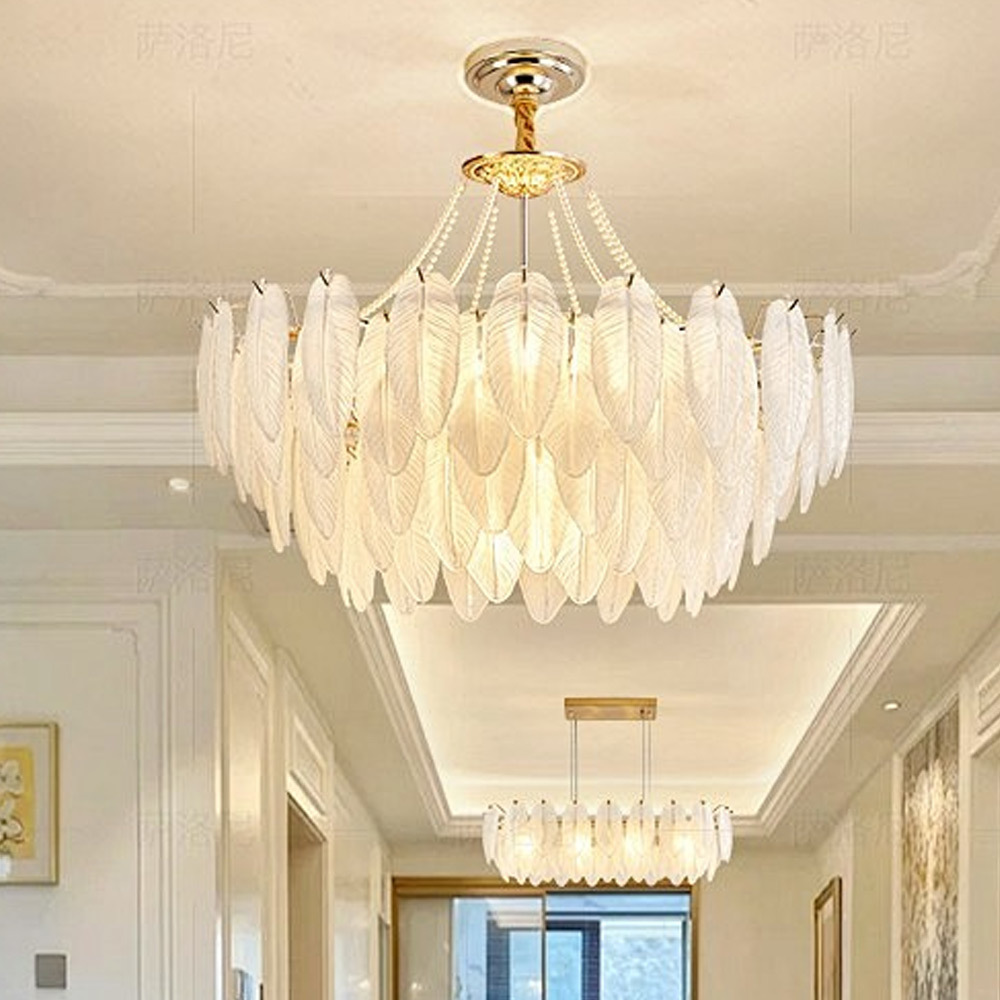
Exploring the Elegance of Crystal Glass Chandeliers in Interior Design
Crystal glass chandeliers are not just lighting fixtures; they are statement pieces that can transform any room into a stunning visual masterpiece. Known for their intricate designs and light-reflecting properties, these chandeliers add a touch of luxury and elegance to various settings, from grand ballrooms to intimate dining areas. When considering the integration of crystal glass chandeliers in
21 Sep,2026
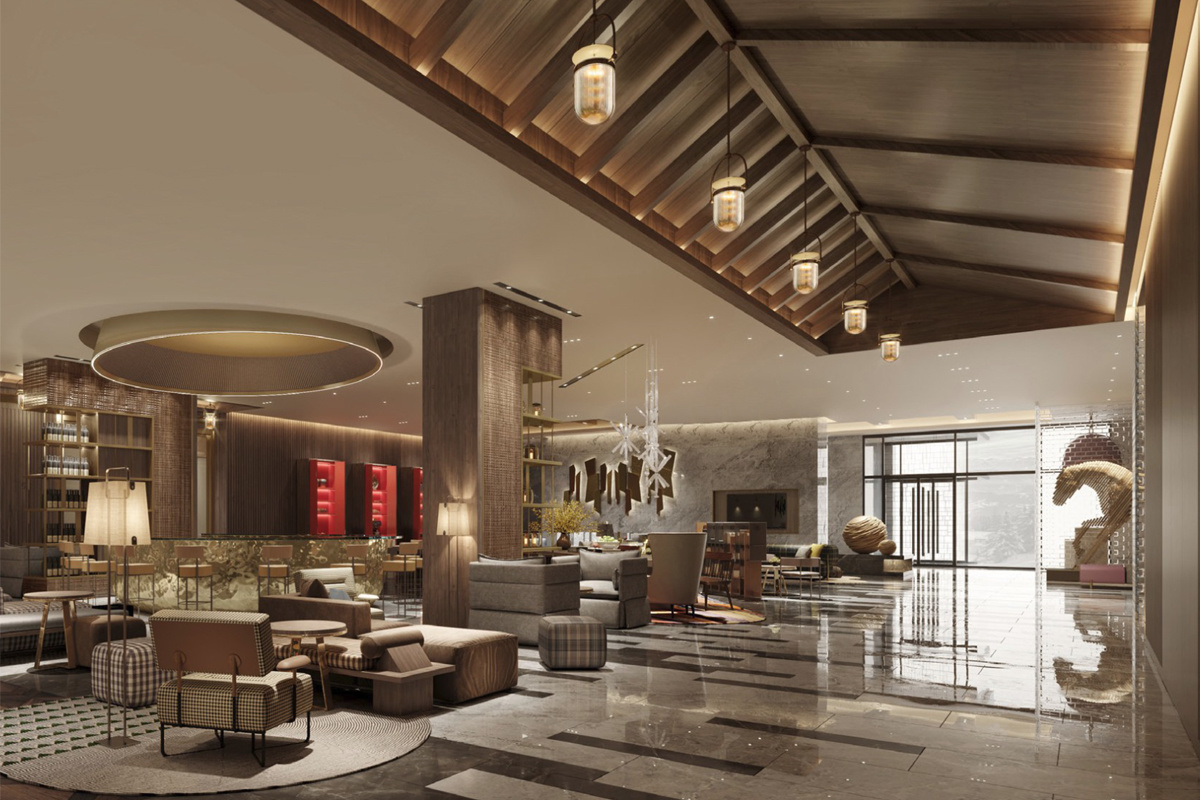
Incorporating Modern Chandeliers into Your Lobby Makeover: Illuminate Your Space with Style
Incorporating Modern Chandeliers into Your Lobby Makeover The Impact of Lighting on Lobby Design Lighting plays a crucial role in defining the aesthetic and functionality of any space, especially in lobbies that serve as the first point of contact for guests and clients. **Modern chandeliers** not only provide essential illumination but also serve as striking focal points that can set the tone

18 Sep,2026
Transform Your Space with Color Changing RGBW Lighting Solutions
Color changing RGBW lighting is revolutionizing the way we experience and utilize illumination in our homes and commercial spaces. The term RGBW refers to the combination of red, green, blue, and white LEDs, allowing for a vast spectrum of color options. This innovative technology has transcended traditional lighting methods, offering not only functional illumination but also the ability to create


emelightingmay@gmail.com (We are glad to introduce more and cooperate with you)
design-aura@vip.163.com (New projects, and partnership with EME lighting)
Whatsapp: +1 (808) 780-2568

FTY ADD: EME Industrial Park,Yongxing Industrial Dist.,Henglan Town, Zhongshan City, GD,China
Copyright © EME Lighting Co., Ltd. | All Rights Reserved | Powered by 300.cn | SEO | Privacy Policy