
From Concept to Reality: Designing Spaces with Intelligent Control Lighting
From Concept to Reality: Designing Spaces with Intelligent Control Lighting In the realm of design, lighting plays a critical role in shaping our experiences. From cozy homes to high-tech offices, intelligent control lighting brings spaces to life, enhancing both aesthetics and functionality. In this article, we will explore the journey from concept to reality when designing spaces with intellig
Time:
2026-07-11
From Concept to Reality: Designing Spaces with Intelligent Control Lighting
In the realm of design, lighting plays a critical role in shaping our experiences. From cozy homes to high-tech offices, intelligent control lighting brings spaces to life, enhancing both aesthetics and functionality. In this article, we will explore the journey from concept to reality when designing spaces with intelligent control lighting. We will cover essential principles, innovative technologies, and practical strategies that can transform ordinary environments into extraordinary experiences.
Table of Contents
- Understanding Lighting Design
- The Importance of Intelligent Control Lighting
- Key Components of Intelligent Control Lighting
- Designing with Light: Principles and Techniques
- Integrating Smart Technology in Lighting
- Creating Ambiance and Functional Living Spaces
- Case Studies: Successful Implementations of Intelligent Lighting
- The Future of Lighting Design: Trends and Innovations
- Conclusion
- FAQs
Understanding Lighting Design
Lighting design is more than just choosing the right fixtures. It encompasses a broad understanding of how light interacts with space, color, and materials. Effective lighting creates visual interest, defines areas, and influences mood.
When approaching lighting design, consider the following aspects:
The Psychology of Light
Light affects human psychology significantly. Bright environments can boost productivity, while softer, warmer lights create a sense of relaxation. Understanding these psychological impacts allows designers to create spaces that cater to the intended activities.
Types of Lighting
There are three primary types of lighting in any design:
- Ambient Lighting: This is the general illumination that fills a space, making it visible and safe.
- Task Lighting: Focused lighting that illuminates specific areas for tasks such as reading or cooking.
- Accent Lighting: Used to highlight particular features or artworks, adding depth and interest to the space.
The Importance of Intelligent Control Lighting
Intelligent control lighting refers to the use of advanced technologies to manage lighting in a way that enhances user experience and energy efficiency. Here are several reasons why it is essential in modern design:
Energy Efficiency
With the growing concern over energy consumption and sustainability, intelligent lighting systems offer significant savings. They can be programmed to adjust based on the time of day, occupancy, and natural light levels, ultimately reducing energy costs.
Enhanced User Experience
Intelligent lighting systems allow users to customize their environments. Whether it’s adjusting brightness or changing colors, users can create atmospheres that align with their mood or activities. This personalization leads to greater satisfaction and comfort within the space.
Integration with Smart Home Technology
As smart home technology continues to evolve, the integration of intelligent lighting systems becomes increasingly seamless. Users can control their lighting through smartphones, voice commands, and automation, creating a fully connected environment that enhances convenience.
Key Components of Intelligent Control Lighting
To effectively design spaces with intelligent control lighting, it's crucial to understand the key components that make up these systems. Here are the essential elements:
Lighting Fixtures
The foundation of any lighting system is the fixtures themselves. Choose energy-efficient options such as LED lights that offer longevity and versatility in design. Options like recessed lights, pendant fixtures, and wall sconces can be adapted to various styles and functions.
Control Systems
Control systems are the brains behind intelligent lighting. They offer various ways to manipulate light, including:
- Smart Switches and Dimmers: Allow for manual control of brightness and color temperature.
- Mobile Applications: Enable users to control lighting remotely and set schedules.
- Voice Control: Systems like Amazon Alexa and Google Assistant provide hands-free operation.
Sensors
Incorporating sensors into the lighting design enhances functionality and energy efficiency. Motion sensors automatically turn lights on or off based on occupancy, while daylight sensors adjust artificial lighting in response to natural light levels.
Designing with Light: Principles and Techniques
Designing with light involves a strategic approach to achieve balance and harmony within a space. Here are some key principles and techniques:
Layering Light
Layering multiple types of lighting creates depth and interest. Combine ambient, task, and accent lighting to ensure the space is functional and visually appealing. For instance, in a living room, ambient light can come from ceiling fixtures, task light from reading lamps, and accent light from sconces highlighting artwork.
Focal Points and Visual Hierarchy
Identify focal points within a space and use lighting to accentuate them. This could be a piece of furniture, an artwork, or architectural features. Establishing a visual hierarchy guides the eye and enhances the overall aesthetic.
Color Temperature and Mood
Different color temperatures evoke varying emotions. Warmer tones (2700K-3000K) create a cozy atmosphere, ideal for bedrooms and living rooms, while cooler tones (4000K-5000K) are better suited for workspaces and kitchens, promoting alertness and focus.
Integrating Smart Technology in Lighting
As technology advances, integrating smart solutions into lighting design becomes increasingly accessible. Here’s how to effectively incorporate technology:
Choosing the Right Platform
Select a smart lighting platform that aligns with your needs. Popular options like Philips Hue, Lutron, and Wemo offer flexible integration with home automation systems, ensuring compatibility with other devices.
Automation and Scheduling
Automate lighting to enhance convenience and efficiency. Set schedules for when lights should turn on or off, or create scenes that cater to specific activities—such as movie nights or dinner parties—simply with a click or voice command.
Remote Access
Investing in a smart lighting system provides the ability to control lights remotely. This feature is especially beneficial for security purposes, allowing users to simulate occupancy by turning lights on and off from anywhere in the world.
Creating Ambiance and Functional Living Spaces
Intelligently controlled lighting doesn’t just enhance aesthetics; it also improves functionality. Here’s how to create ambiance and utility:
Residential Spaces
For homes, consider using a combination of warm and cool lights in different areas. Dimming capabilities in living spaces can create a relaxed atmosphere, while brighter, cooler lights in kitchens and bathrooms ensure safety and functionality.
Commercial Spaces
In offices, intelligent control lighting can significantly boost productivity. Use adjustable lighting to cater to different tasks and create collaborative spaces with adaptable lighting setups for meetings or presentations.
Public Spaces
In public environments, such as museums or galleries, intelligent lighting can enhance visitor experience. Employing dynamic lighting that adapts to the time of day or specific events can create a captivating atmosphere while highlighting exhibits effectively.
Case Studies: Successful Implementations of Intelligent Lighting
Examining real-world applications of intelligent control lighting provides valuable insights. Here are a few inspiring examples:
Residential Example: Smart Home Transformation
A suburban home was retrofitted with a smart lighting system that included motion sensors and customizable color settings. The homeowners reported increased energy savings and improved mood, as they could tailor lighting to suit various activities throughout the day.
Commercial Example: Modern Office Renovation
An office space underwent a lighting overhaul using intelligent control systems. The result was a 30% reduction in energy costs, achieved through automated scheduling and occupancy sensors. Employees noted a significant boost in morale and productivity thanks to the adaptable lighting environment.
Public Space Example: Museum Exhibit
A renowned museum implemented intelligent lighting to enhance its new exhibit. Using dynamic color-changing lights, the museum provided an immersive experience for visitors, dramatically increasing engagement and dwell time.
The Future of Lighting Design: Trends and Innovations
As technology continues to evolve, the future of lighting design will be shaped by several key trends:
Human-Centric Lighting
Human-centric lighting focuses on the well-being of individuals, utilizing circadian rhythms to optimize lighting throughout the day. This approach aims to enhance mood, productivity, and health, catering to the needs of users.
Integration with IoT Devices
The Internet of Things (IoT) is set to revolutionize lighting design. As smart devices become more interconnected, lighting will work in harmony with other systems, creating holistic environments that adapt to user preferences in real-time.
Sustainability and Eco-Friendly Solutions
With an increasing emphasis on sustainability, future lighting designs will prioritize eco-friendly materials and energy-efficient technologies. Expect to see more solar-powered lights, energy-efficient LEDs, and designs that minimize waste.
Conclusion
The journey from concept to reality in designing spaces with intelligent control lighting is a multifaceted process. By understanding the principles of lighting design, embracing new technologies, and considering the emotional and functional aspects of light, designers can create spaces that are not only beautiful but also enhance the user experience. As we look to the future, the integration of smart technology, sustainability, and human-centric approaches will shape the way we think about lighting, ensuring our environments are as dynamic and adaptable as we are.
FAQs
1. What is intelligent control lighting?
Intelligent control lighting refers to lighting systems that can be controlled and customized using advanced technologies, such as smart devices and automation, to enhance efficiency and user experience.
2. How can intelligent lighting save energy?
Intelligent lighting saves energy by using sensors and automation to adjust lighting levels based on occupancy and natural light, ensuring that lights are only used when necessary.
3. What types of spaces benefit from intelligent control lighting?
Residential, commercial, and public spaces can all benefit from intelligent control lighting, enhancing aesthetics and functionality while improving energy efficiency.
4. How does intelligent lighting improve mood and productivity?
Intelligent lighting can be adjusted to create specific atmospheres, such as relaxation or focus, helping to positively impact mood and productivity based on the needs of the users.
5. What are the future trends in lighting design?
Future trends include the rise of human-centric lighting, increased integration with IoT devices, and a focus on sustainability and eco-friendly solutions in lighting design.
Latest news
09 Oct,2026
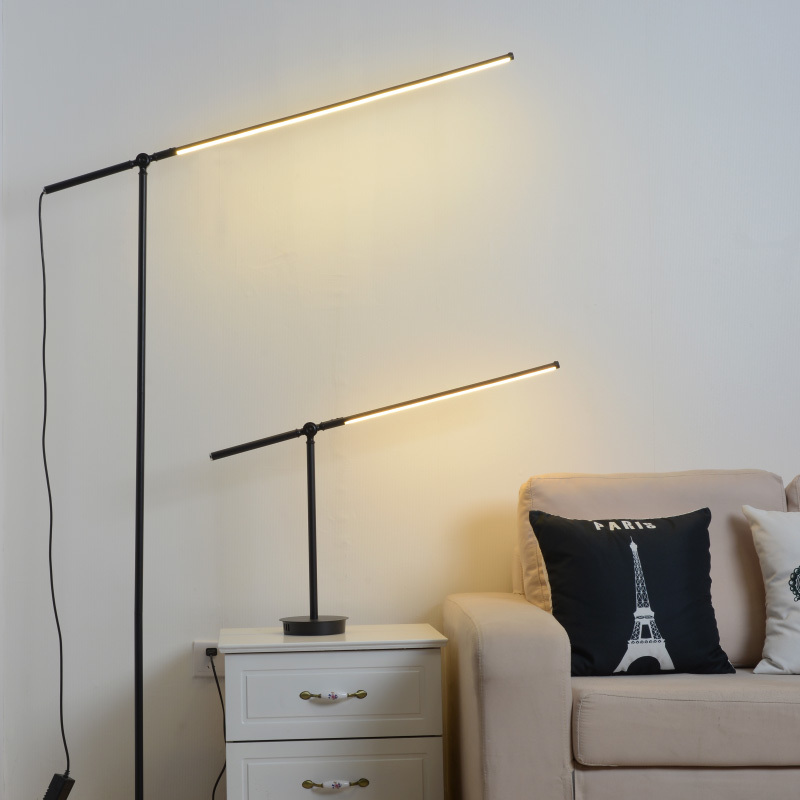
Maximizing Comfort: Customizing Your Environment with Intelligent Control Lighting
Maximizing Comfort: Customizing Your Environment with Intelligent Control Lighting Table of Contents Understanding Intelligent Control Lighting The Importance of Customized Lighting Key Features of Intelligent Lighting Systems How to Choose the Right Lighting for Your Space Integrating Smart Lighting into Your Home or Office Maximizing Energy Efficiency with Smart Lighting Enhancing

06 Oct,2026
Elevate Your Space: The Impact of Lobby Statement Chandeliers
--- Lobby statement chandeliers serve as more than just functional lighting—they are pivotal design elements that can significantly enhance the aesthetic appeal of any space, particularly in commercial environments like hotels, offices, and high-end residences. These eye-catching fixtures not only illuminate an area but also establish a mood and create a welcoming atmosphere, making them essential
03 Oct,2026
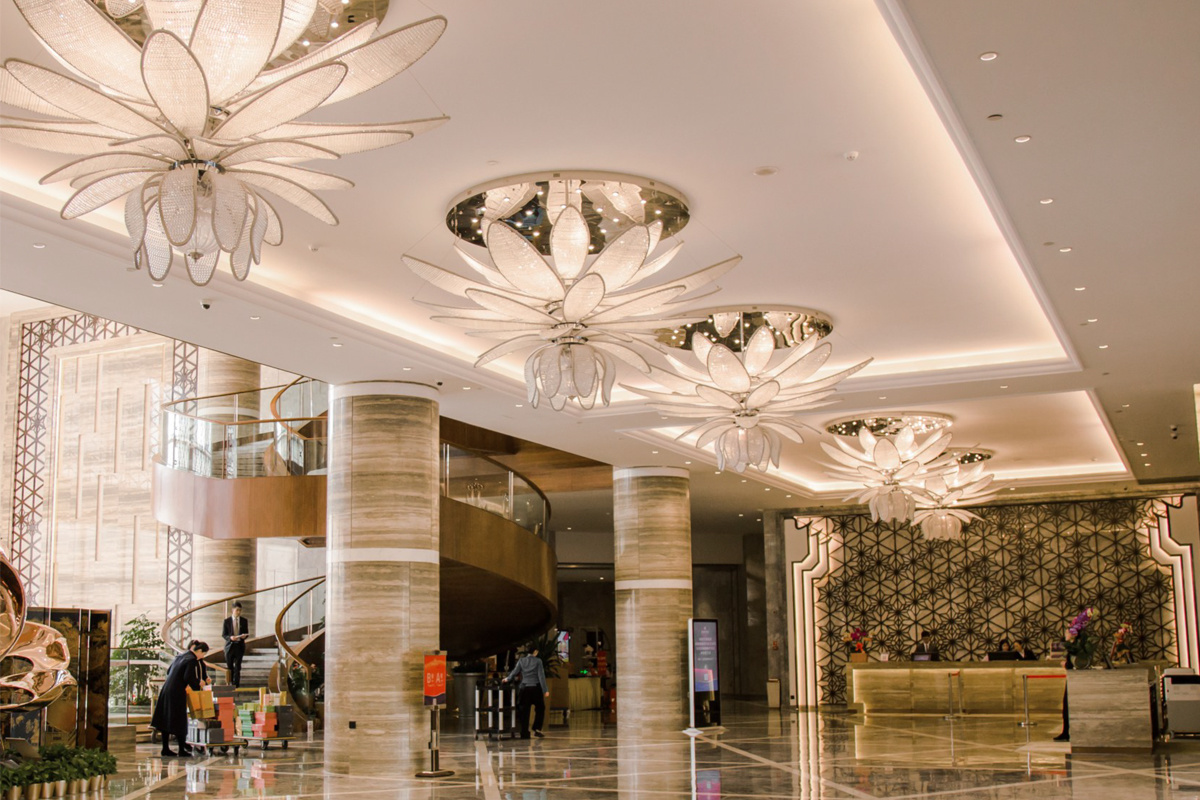
Chandeliers That Dazzle: Elevate Your Banquet Hall Experience
Chandeliers That Dazzle: Elevate Your Banquet Hall Experience Table of Contents 1. Introduction to Chandeliers in Banquet Halls 2. The Importance of Lighting in Event Spaces 3. Types of Chandeliers for Banquet Halls 3.1 Traditional Chandeliers 3.2 Modern Chandeliers 3.3 Unique and Statement Chandeliers 4. Designing with Ch


emelightingmay@gmail.com (We are glad to introduce more and cooperate with you)
design-aura@vip.163.com (New projects, and partnership with EME lighting)
Whatsapp: +1 (808) 780-2568

FTY ADD: EME Industrial Park,Yongxing Industrial Dist.,Henglan Town, Zhongshan City, GD,China
Copyright © EME Lighting Co., Ltd. | All Rights Reserved | Powered by 300.cn | SEO | Privacy Policy