
Smart Lighting: Transform Your Environment with Intelligent Control Systems
Smart Lighting: Transform Your Environment with Intelligent Control Systems In today’s fast-paced world, the way we illuminate our surroundings is evolving. **Smart lighting** technologies are at the forefront of this transformation, offering innovative solutions that not only enhance aesthetics but also promote functionality, energy efficiency, and convenience. With intelligent control systems, i
Time:
2026-05-13
Smart Lighting: Transform Your Environment with Intelligent Control Systems
In today’s fast-paced world, the way we illuminate our surroundings is evolving. **Smart lighting** technologies are at the forefront of this transformation, offering innovative solutions that not only enhance aesthetics but also promote functionality, energy efficiency, and convenience. With intelligent control systems, individuals can customize their lighting experiences like never before. This article delves into the myriad ways smart lighting can revolutionize your living spaces, covering everything from the basics of smart lighting to advanced control systems.
Table of Contents
- What is Smart Lighting?
- Benefits of Smart Lighting
- Key Components of Smart Lighting Systems
- Types of Smart Lighting Controls
- How to Choose the Right Smart Lighting System
- Installation of Smart Lighting
- Integrating Smart Lighting into Your Home
- The Future of Smart Lighting
- FAQs about Smart Lighting
What is Smart Lighting?
**Smart lighting** refers to a system that allows users to control lights through their smartphones, tablets, or voice-activated devices. This technology enables users to adjust brightness, color, and even the scheduling of lights remotely. Smart lighting integrates with home automation systems, providing a seamless user experience that caters to individual preferences.
The concept revolves around **intelligent control systems** that utilize sensors, app interfaces, and automation protocols. Whether you're looking to create a cozy atmosphere for a dinner party or ensure your home is well-lit when you arrive at night, smart lighting offers countless possibilities.
Benefits of Smart Lighting
The advantages of implementing a smart lighting system in your home or office are substantial. Here are some key benefits:
1. Enhanced Convenience
Smart lighting systems allow for remote access and control. With a simple tap on your smartphone, you can turn lights on or off, adjust brightness levels, or change colors. Voice-controlled systems add another layer of convenience, allowing you to control your lighting hands-free.
2. Energy Efficiency
One of the most appealing aspects of smart lighting is its energy-saving capabilities. Smart bulbs and fixtures can significantly reduce energy consumption. Many systems can be programmed to turn off automatically when rooms are unoccupied, ensuring that you only use energy when necessary.
3. Customization and Ambiance
The ability to customize the lighting in your environment is a game-changer. Want to create a relaxing atmosphere for movie night? Set the lights to a warm, dim glow. Hosting a vibrant party? Bright, colorful lights can set the mood perfectly. Smart lighting systems allow for endless personalization.
4. Improved Safety and Security
Smart lighting can enhance your home’s security. By scheduling lights to turn on and off at specific times, you create the illusion of occupancy, deterring potential intruders. Motion sensors can also activate lights when someone approaches your home, providing an additional layer of safety.
5. Integration with Other Smart Devices
Smart lighting systems can seamlessly integrate with other smart home devices, such as thermostats, security cameras, and smart speakers. This interconnectedness allows for comprehensive home automation, creating a cohesive environment controlled from one central hub.
Key Components of Smart Lighting Systems
Understanding the essential components of smart lighting can help you choose the right system for your needs. Here are the primary elements to consider:
1. Smart Bulbs
Smart bulbs are the heart of any smart lighting system. Available in various types, including LED and CFL, they can be controlled via a smartphone app or voice command. Many smart bulbs offer adjustable color temperatures and brightness levels.
2. Smart Switches and Dimmers
For those looking to upgrade existing fixtures, smart switches and dimmers can be installed in place of traditional switches. These devices allow for control of multiple lights from a single point and often include scheduling features.
3. Control Systems and Hubs
Smart lighting often requires a central control system or hub that connects various devices. This hub enables communication between your smart bulbs, switches, and your smartphone or other control devices.
4. Sensors
Motion and ambient light sensors enhance the functionality of smart lighting systems. Motion sensors can trigger lights to turn on when someone enters a room, while ambient light sensors adjust brightness based on the amount of natural light available.
5. Apps and User Interfaces
Mobile apps are essential for controlling smart lighting systems. These apps provide a user-friendly interface for managing lighting schedules, creating scenes, and integrating with other smart home devices.
Types of Smart Lighting Controls
Smart lighting systems offer various control methods, ensuring flexibility and ease of use.
1. Smartphone Apps
Most smart lighting systems come with dedicated apps that allow users to control their lighting from anywhere. These apps often include features for scheduling, color selection, and scene creation.
2. Voice Control
Integrating your smart lighting with voice-activated systems like Amazon Alexa, Google Assistant, or Apple HomeKit offers hands-free control. Just say the command, and your lights respond.
3. Remote Controls
Some smart lighting systems include remote controls, providing an alternative to smartphone apps for those who prefer physical devices.
4. Automated Schedules
Creating automated schedules allows users to set specific times for lights to turn on or off, providing convenience and energy savings.
5. Geofencing
Geofencing technology enables lights to turn on or off automatically when you enter or leave a designated area, enhancing both convenience and security.
How to Choose the Right Smart Lighting System
Selecting the ideal smart lighting system involves considering several factors:
1. Compatibility
Ensure that the smart lighting system you choose is compatible with your existing smart home devices or platforms, such as Google Home or Apple HomeKit.
2. Features and Functionality
Evaluate what features are most important to you. Do you need advanced automation capabilities, color-changing options, or simple on/off functionality?
3. User Interface
Consider how user-friendly the app or control system is. A well-designed user interface can significantly enhance your experience.
4. Cost
Smart lighting systems come in various price ranges. Determine your budget and look for systems that offer the best value for your needs.
5. Scalability
Consider whether the system can be easily expanded in the future. If you plan to add more lights or features later, look for systems that allow for scalability.
Installation of Smart Lighting
Installing smart lighting can vary based on the type of system you choose. Here are some common installation methods:
1. DIY Installation
Many smart bulbs and switches are designed for easy installation, allowing users to replace existing fixtures with minimal effort. Follow the manufacturer's instructions for a seamless setup.
2. Professional Installation
For more complex systems, especially those involving hardwired connections, hiring a professional electrician is advisable. They can ensure that the installation is safe and compliant with local codes.
Integrating Smart Lighting into Your Home
Successfully integrating smart lighting into your home involves strategic planning:
1. Assess Your Needs
Evaluate which areas of your home would benefit most from smart lighting. Common spaces include living rooms, kitchens, and outdoor areas.
2. Create Lighting Zones
Divide your home into lighting zones, allowing for tailored lighting experiences in different areas. For example, create a cozy zone for reading and a bright zone for cooking.
3. Experiment with Different Setups
Try different lighting setups and scenes to discover what works best for your lifestyle. Adjust brightness levels and color temperatures according to your needs.
4. Maintain Security
Incorporate security features, such as motion sensors and automated schedules, to enhance safety and deter intruders.
The Future of Smart Lighting
As technology continues to advance, the future of smart lighting looks promising. Here are some trends that are likely to shape the industry:
1. Increased Integration with IoT
The Internet of Things (IoT) will continue to drive the development of smart lighting systems. Enhanced connectivity with other smart devices will create a more cohesive home automation experience.
2. Energy-Efficient Innovations
Future smart lighting systems will focus on energy efficiency, with new technologies that further reduce energy consumption and costs.
3. Enhanced User Experiences
Advancements in user interfaces and control methods will make it easier for users to interact with their smart lighting systems, leading to more intuitive experiences.
4. Sustainable Solutions
The push for sustainability will influence smart lighting design, with a focus on environmentally friendly materials and energy sources.
FAQs about Smart Lighting
1. Can I use smart lighting with existing fixtures?
Yes, many smart bulbs are designed to fit standard light fixtures. You can often replace traditional bulbs with smart ones without needing to change the fixtures.
2. Do smart lights work without Wi-Fi?
While some smart lights can function offline using Bluetooth, many require a Wi-Fi connection for full features and remote access.
3. How do I reset my smart bulbs?
Typically, resetting a smart bulb involves turning it off and on a certain number of times. Consult the manufacturer's instructions for specific steps.
4. Are smart lights energy-efficient?
Yes, smart lights, especially LED bulbs, are generally more energy-efficient than traditional incandescent bulbs, leading to lower energy bills.
5. Can I control smart lights when I'm away from home?
Yes, most smart lighting systems allow remote control through a smartphone app, enabling you to manage your lights from anywhere.
Conclusion
Smart lighting is more than just a trend; it represents a significant advancement in how we illuminate and interact with our environments. With intelligent control systems, the possibilities are limitless. From enhancing convenience and energy efficiency to improving safety and personalization, smart lighting can truly transform your living spaces. As technology continues to evolve, embracing smart lighting solutions will not only enhance your lifestyle but also contribute to a more sustainable future. Whether you are a tech enthusiast or simply looking to make your home more comfortable, investing in smart lighting will undoubtedly illuminate your path toward a smarter, more efficient home.
Latest news
24 Sep,2026
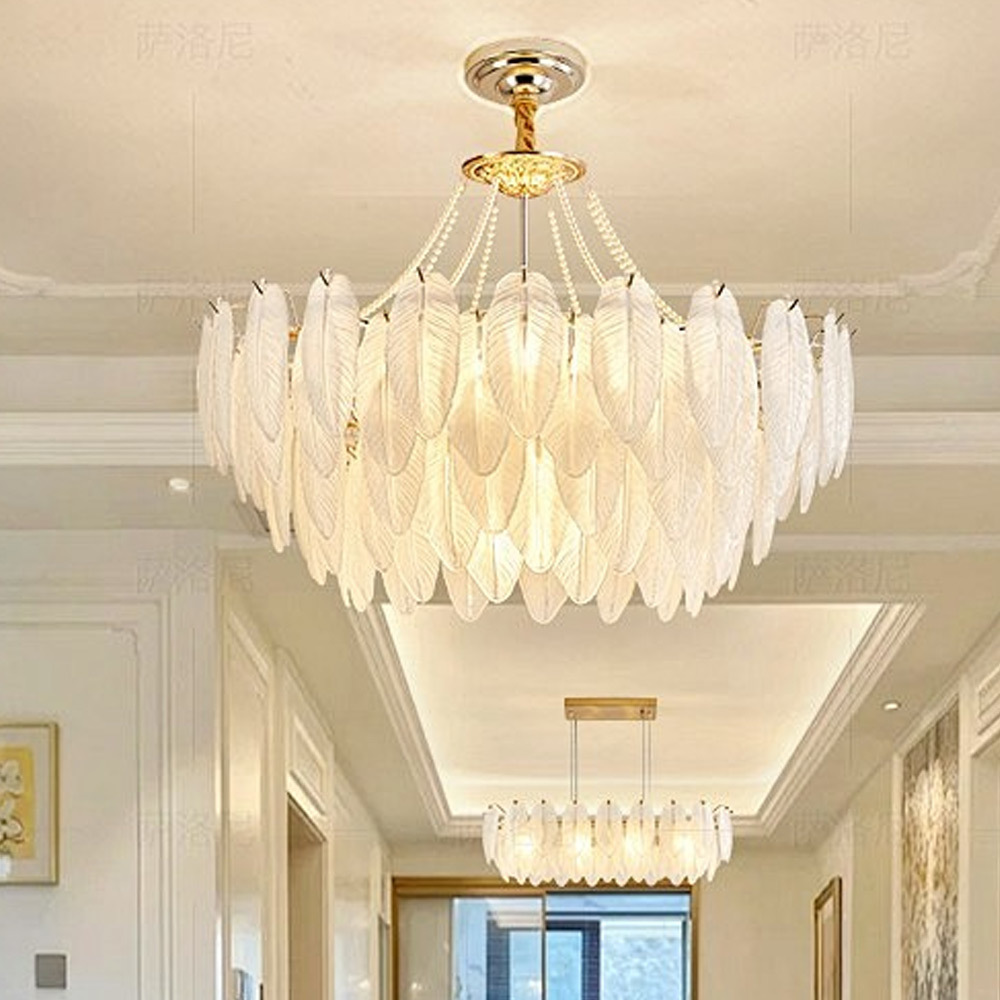
Exploring the Elegance of Crystal Glass Chandeliers in Interior Design
Crystal glass chandeliers are not just lighting fixtures; they are statement pieces that can transform any room into a stunning visual masterpiece. Known for their intricate designs and light-reflecting properties, these chandeliers add a touch of luxury and elegance to various settings, from grand ballrooms to intimate dining areas. When considering the integration of crystal glass chandeliers in
21 Sep,2026
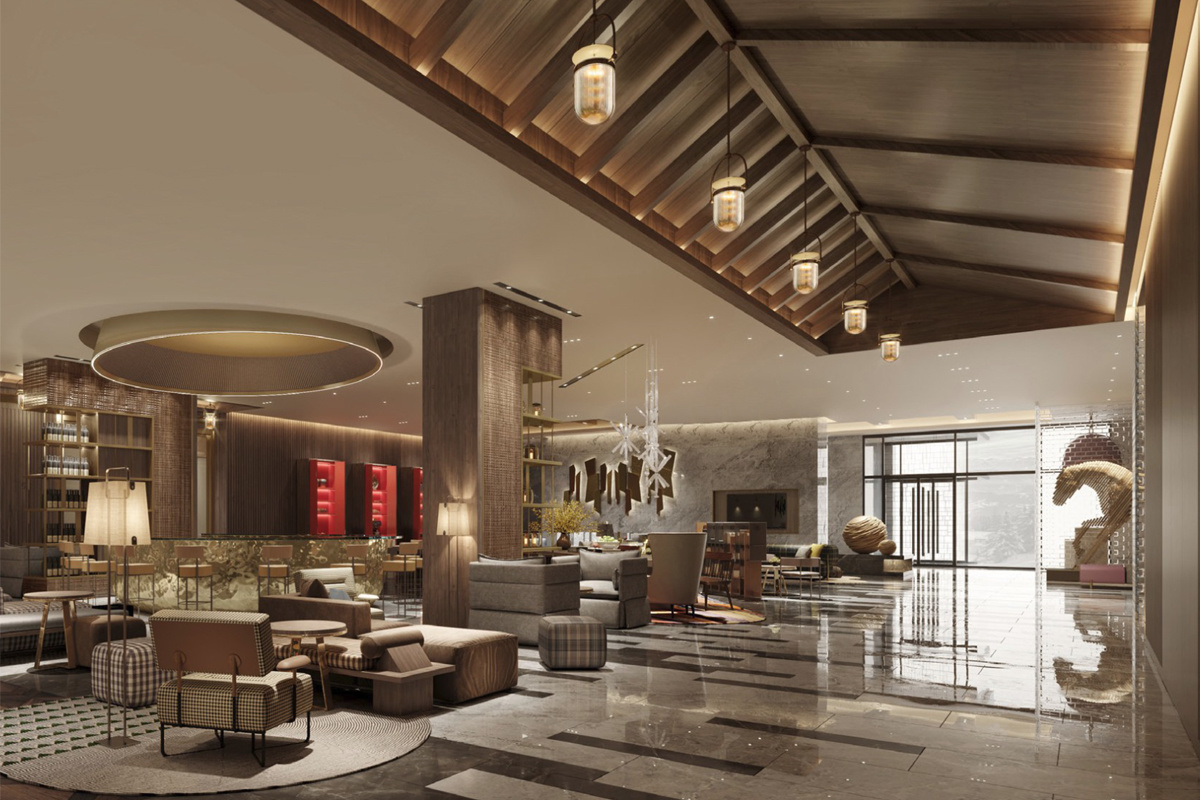
Incorporating Modern Chandeliers into Your Lobby Makeover: Illuminate Your Space with Style
Incorporating Modern Chandeliers into Your Lobby Makeover The Impact of Lighting on Lobby Design Lighting plays a crucial role in defining the aesthetic and functionality of any space, especially in lobbies that serve as the first point of contact for guests and clients. **Modern chandeliers** not only provide essential illumination but also serve as striking focal points that can set the tone

18 Sep,2026
Transform Your Space with Color Changing RGBW Lighting Solutions
Color changing RGBW lighting is revolutionizing the way we experience and utilize illumination in our homes and commercial spaces. The term RGBW refers to the combination of red, green, blue, and white LEDs, allowing for a vast spectrum of color options. This innovative technology has transcended traditional lighting methods, offering not only functional illumination but also the ability to create


emelightingmay@gmail.com (We are glad to introduce more and cooperate with you)
design-aura@vip.163.com (New projects, and partnership with EME lighting)
Whatsapp: +1 (808) 780-2568

FTY ADD: EME Industrial Park,Yongxing Industrial Dist.,Henglan Town, Zhongshan City, GD,China
Copyright © EME Lighting Co., Ltd. | All Rights Reserved | Powered by 300.cn | SEO | Privacy Policy