
Creating Ambiance: The Transformative Power of Intelligent Control Lighting in Interior Design
Creating Ambiance: The Transformative Power of Intelligent Control Lighting in Interior Design In the world of interior design, **lighting** plays a crucial role in shaping the ambiance and functionality of spaces. The advent of **intelligent control lighting** has opened new avenues for designers, enabling them to manipulate light in ways that enhance aesthetic appeal and improve the user experie
Time:
2026-04-11
Creating Ambiance: The Transformative Power of Intelligent Control Lighting in Interior Design
In the world of interior design, **lighting** plays a crucial role in shaping the ambiance and functionality of spaces. The advent of **intelligent control lighting** has opened new avenues for designers, enabling them to manipulate light in ways that enhance aesthetic appeal and improve the user experience. This article explores the multifaceted relationship between intelligent lighting control systems and interior design, focusing on how they contribute to creating a captivating ambiance.
Table of Contents
- What is Intelligent Control Lighting?
- The Role of Lighting in Interior Design
- Benefits of Intelligent Lighting Systems
- Mood Enhancement Through Intelligent Lighting
- Energy Efficiency and Sustainability in Lighting Design
- Integrating Smart Lighting into Interior Design
- Common Types of Intelligent Lighting Systems
- Future Trends in Intelligent Lighting
- FAQs about Intelligent Lighting
What is Intelligent Control Lighting?
Intelligent control lighting refers to advanced lighting systems that allow users to manipulate light intensity, color, and timing through smart technology interfaces. These systems often integrate with home automation and can be controlled via smartphones, voice commands, or dedicated remotes. With features like automated scheduling, remote access, and adaptive lighting, intelligent lighting systems provide flexibility that traditional systems cannot match.
The core components of these systems include smart bulbs, sensors, and a centralized control hub. With the implementation of **internet of things (IoT)** technology, intelligent control lighting can respond to user preferences and environmental conditions, creating an optimized lighting experience tailored to individual needs.
The Role of Lighting in Interior Design
Lighting is not merely functional; it is a powerful design element that influences mood, perception, and spatial dynamics. In interior design, appropriate lighting enhances architectural features, highlights artwork, and creates zones within open spaces.
**Key Roles of Lighting in Interior Design:**
- **Aesthetic Appeal:** Well-designed lighting accentuates textures, colors, and forms, adding depth to the space.
- **Spatial Orientation:** Lighting can define areas, guiding movement and enhancing functionality.
- **Atmosphere Creation:** Different lighting temperatures (warm vs. cool) set the mood, affecting how a space feels.
By understanding these roles, designers can leverage intelligent control lighting to create environments that resonate with users emotionally and aesthetically.
Benefits of Intelligent Lighting Systems
The adoption of intelligent control lighting systems brings numerous advantages that extend beyond mere convenience. Some of the key benefits include:
- **Customization:** Users can tailor lighting settings to suit various activities, whether it's reading, entertaining, or working.
- **Energy Savings:** Smart systems can reduce energy consumption by adjusting brightness based on natural light availability and occupancy, contributing to lower utility bills.
- **Enhanced Security:** Intelligent lighting can simulate occupancy through programmed lighting patterns, acting as a deterrent to potential intruders.
- **Remote Management:** Users can control their lighting from anywhere, making it easy to adjust settings when away from home.
These benefits illustrate how intelligent lighting systems can significantly elevate the quality of life for users while providing design flexibility for professionals.
Mood Enhancement Through Intelligent Lighting
One of the most profound effects of intelligent control lighting is its ability to influence mood and emotional well-being. Research shows that lighting can affect the body’s circadian rhythms, impacting sleep quality and overall health. Thus, designers can use intelligent lighting systems to create environments that promote relaxation, focus, or energy.
**Strategies for Mood Enhancement:**
- **Dynamic Lighting:** Implementing adjustable color temperatures and brightness levels can mimic natural daylight, enhancing mood and productivity.
- **Color Psychology:** Different colors evoke specific emotional responses. For instance, warm whites create a cozy atmosphere, while cooler tones promote alertness.
- **Programmable Scenes:** Users can create personalized lighting scenes for various activities, such as a calming scene for relaxation or bright lighting for social gatherings.
By incorporating these strategies, designers can create spaces that not only look good but also feel good, enhancing the user experience.
Energy Efficiency and Sustainability in Lighting Design
As sustainability becomes paramount in design practices, intelligent lighting systems play a crucial role in energy-efficient solutions. By integrating smart technology, designers can significantly reduce energy consumption while promoting environmentally responsible practices.
**Sustainable Lighting Practices:**
- **LED Technology:** Utilizing LED lights in intelligent systems results in lower energy usage and longer lifespans compared to traditional lighting.
- **Adaptive Lighting:** Systems that adjust brightness based on occupancy and natural light conditions optimize energy use, ensuring lights are only on when needed.
- **Integration with Renewable Energy Sources:** Intelligent lighting can work harmoniously with solar panels and other renewable energy solutions, further reducing a building's carbon footprint.
By embracing these sustainable practices, designers contribute to a greener future while meeting the demands of environmentally conscious clients.
Integrating Smart Lighting into Interior Design
Integrating intelligent control lighting into interior design requires careful planning and consideration. Here are essential steps to ensure seamless integration:
1. **Assess User Needs:** Understand the specific requirements and preferences of the occupants to tailor the lighting solutions accordingly.
2. **Evaluate Space Characteristics:** Analyze the architectural features of the space, including natural light sources, to determine the most effective lighting strategy.
3. **Choose Compatible Technology:** Select smart lighting systems that easily integrate with existing home automation or building management systems.
4. **Design for Flexibility:** Create adjustable lighting layouts that allow for changes in use or function over time.
5. **Test and Optimize:** After installation, continuously test and refine the lighting setup to achieve the desired ambiance and functionality.
By following these steps, designers can create cohesive and adaptive lighting solutions that enhance overall interior design.
Common Types of Intelligent Lighting Systems
Several types of intelligent lighting systems are popular among designers and homeowners alike, including:
- **Smart Bulbs:** These are straightforward options that can be controlled remotely, offering features like dimming and color changing.
- **Smart Lighting Panels:** Typically used in commercial settings, these panels provide uniform lighting and can be programmed for different scenarios.
- **Sensor-Based Lighting:** These systems adjust automatically based on occupancy and daylight, making them ideal for energy efficiency.
- **Integrated Home Systems:** Comprehensive solutions that connect all aspects of home automation, allowing users to control lighting alongside temperature, security, and entertainment systems.
Understanding the various types of intelligent lighting systems enables designers to choose the best options to meet their clients' needs.
Future Trends in Intelligent Lighting
As technology continues to evolve, several trends are shaping the future of intelligent control lighting:
- **Artificial Intelligence Integration:** AI is expected to enhance personalization by learning user preferences and adjusting lighting automatically.
- **Health-Focused Design:** A growing emphasis on wellness will see lighting systems designed to improve health and well-being, such as circadian rhythm lighting.
- **Increased Interoperability:** As smart home devices proliferate, there will be a trend toward systems that can communicate seamlessly with one another, creating cohesive user experiences.
- **Sustainable Innovation:** Future trends will likely emphasize sustainability, with advancements in energy-efficient technologies and renewable integration.
These trends highlight the potential for intelligent lighting systems to continue revolutionizing interior design in the years to come.
FAQs about Intelligent Lighting
1. What are the advantages of using intelligent lighting systems?
**Intelligent lighting systems** offer customization, energy savings, enhanced security, and remote management capabilities, making them an excellent choice for both residential and commercial applications.
2. How does intelligent lighting affect mood?
Lighting can influence emotions and well-being by affecting circadian rhythms. Dynamic and programmable lighting can enhance mood, productivity, and relaxation.
3. Are intelligent lighting systems energy-efficient?
Yes, these systems are designed to optimize energy consumption by adjusting to occupancy and natural light levels, significantly reducing energy bills.
4. Can I control intelligent lighting remotely?
Most intelligent lighting systems offer remote control via smartphones, dedicated apps, or voice commands, allowing for convenient management from anywhere.
5. What types of rooms benefit most from intelligent lighting?
All types of spaces can benefit, but areas such as living rooms, home offices, and kitchens—where functionality and ambiance are crucial—often see the most significant impact.
Conclusion
The integration of **intelligent control lighting** into interior design represents a paradigm shift in how we approach lighting in our environments. By harnessing the power of smart technology, designers can create spaces that not only enhance visual appeal but also promote well-being and sustainability. As the demand for personalized and adaptive lighting solutions continues to grow, intelligent lighting will undoubtedly play a pivotal role in shaping the future of interior design. Embracing these advancements will enable designers to meet the evolving expectations of their clients while creating spaces that resonate on both an aesthetic and emotional level.
Latest news
09 Oct,2026
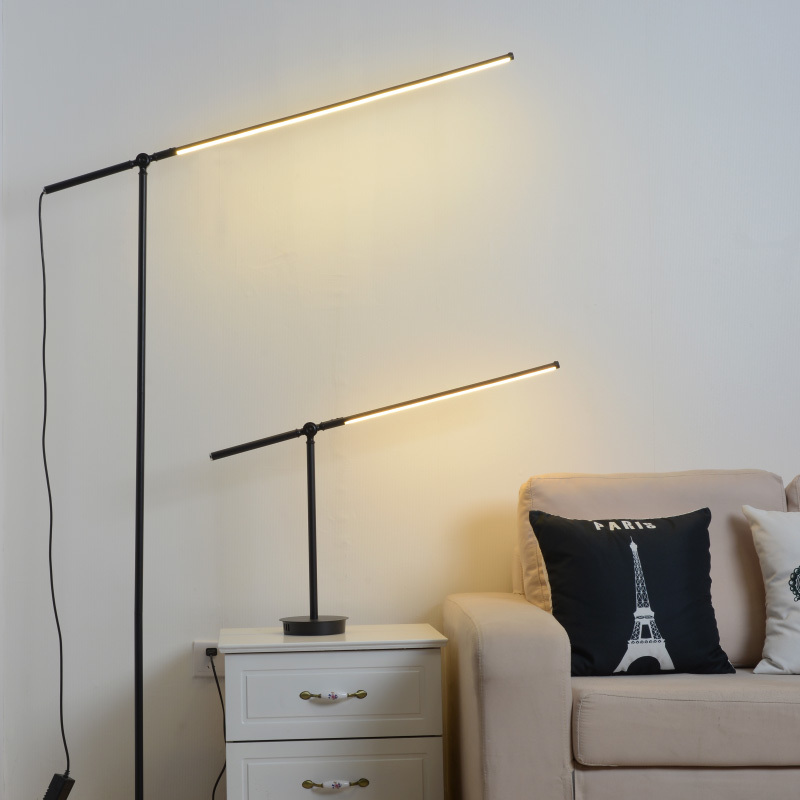
Maximizing Comfort: Customizing Your Environment with Intelligent Control Lighting
Maximizing Comfort: Customizing Your Environment with Intelligent Control Lighting Table of Contents Understanding Intelligent Control Lighting The Importance of Customized Lighting Key Features of Intelligent Lighting Systems How to Choose the Right Lighting for Your Space Integrating Smart Lighting into Your Home or Office Maximizing Energy Efficiency with Smart Lighting Enhancing

06 Oct,2026
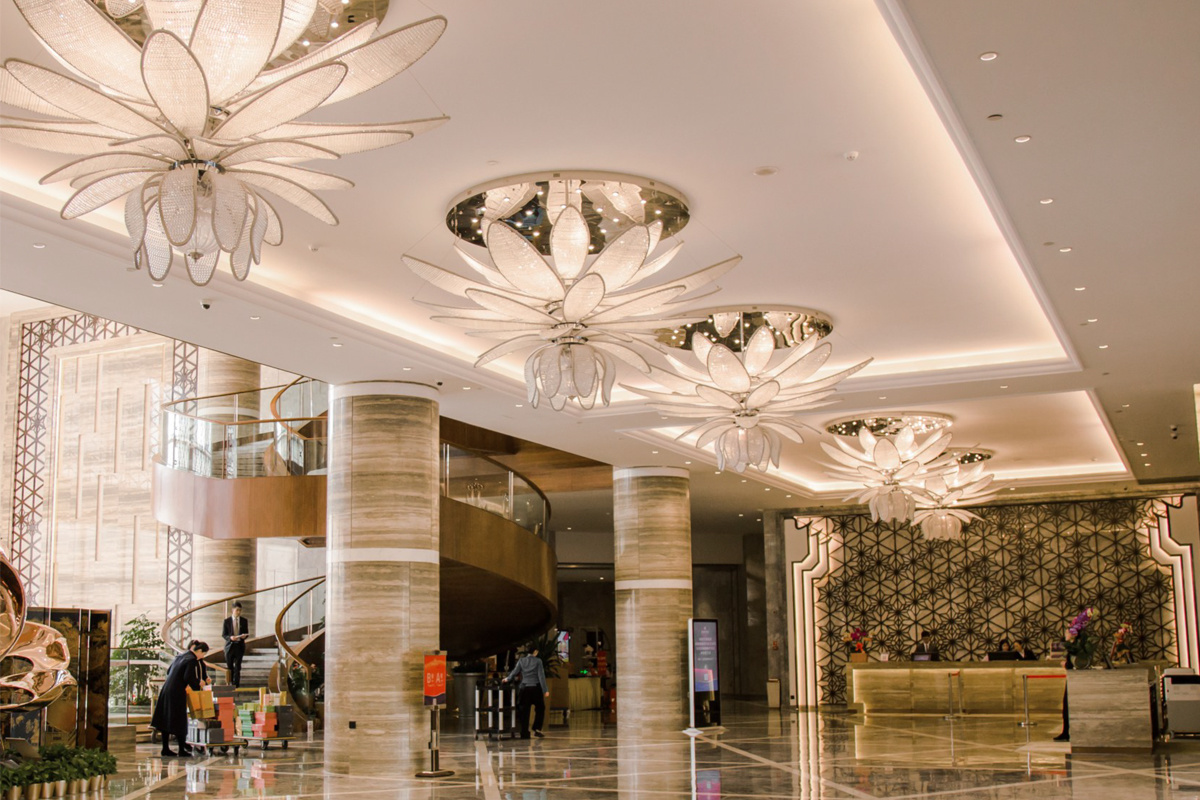
Elevate Your Space: The Impact of Lobby Statement Chandeliers
--- Lobby statement chandeliers serve as more than just functional lighting—they are pivotal design elements that can significantly enhance the aesthetic appeal of any space, particularly in commercial environments like hotels, offices, and high-end residences. These eye-catching fixtures not only illuminate an area but also establish a mood and create a welcoming atmosphere, making them essential
03 Oct,2026
Chandeliers That Dazzle: Elevate Your Banquet Hall Experience
Chandeliers That Dazzle: Elevate Your Banquet Hall Experience Table of Contents 1. Introduction to Chandeliers in Banquet Halls 2. The Importance of Lighting in Event Spaces 3. Types of Chandeliers for Banquet Halls 3.1 Traditional Chandeliers 3.2 Modern Chandeliers 3.3 Unique and Statement Chandeliers 4. Designing with Ch


emelightingmay@gmail.com (We are glad to introduce more and cooperate with you)
design-aura@vip.163.com (New projects, and partnership with EME lighting)
Whatsapp: +1 (808) 780-2568

FTY ADD: EME Industrial Park,Yongxing Industrial Dist.,Henglan Town, Zhongshan City, GD,China
Copyright © EME Lighting Co., Ltd. | All Rights Reserved | Powered by 300.cn | SEO | Privacy Policy